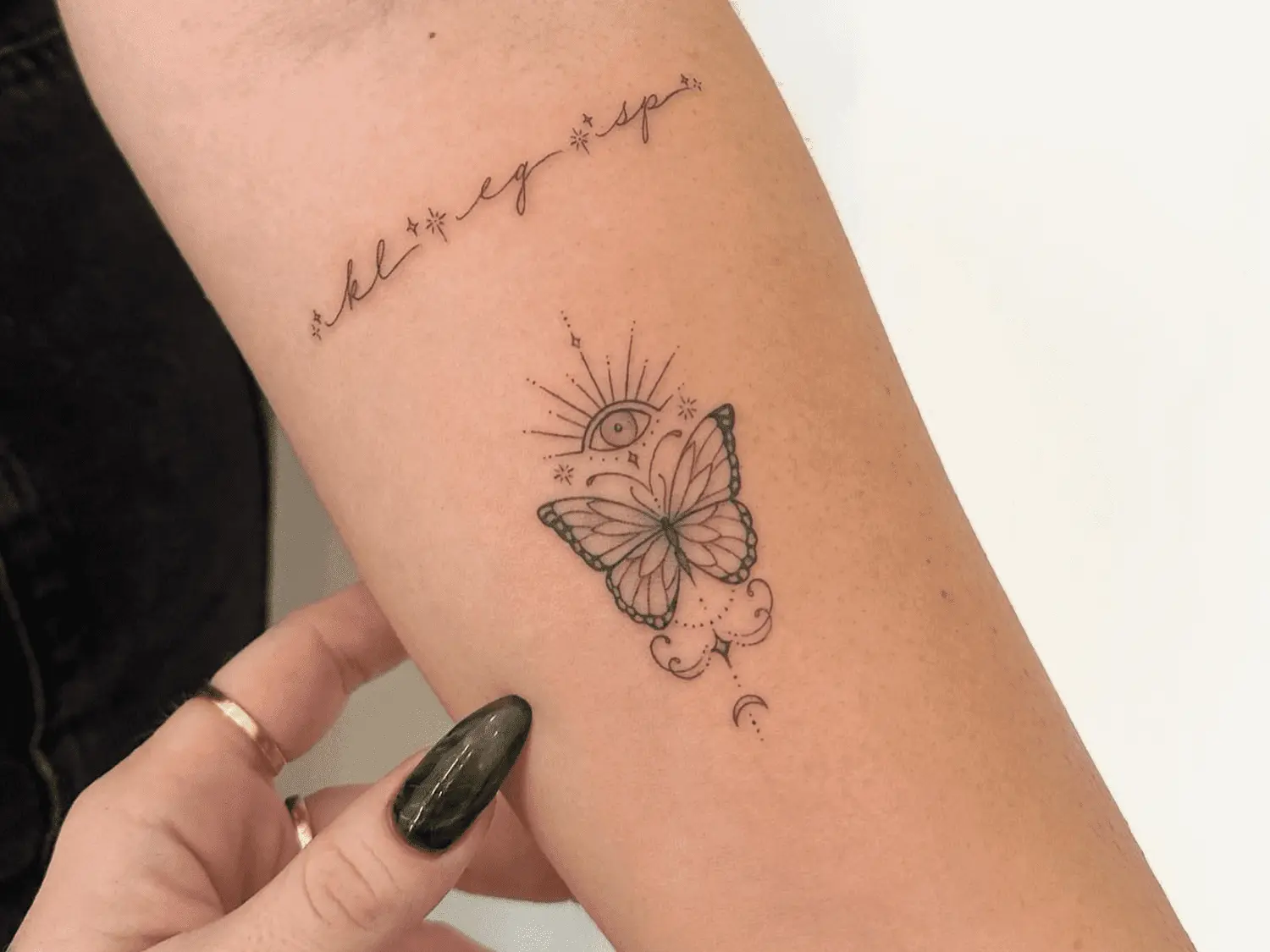
Getting a new piece of ink is such an exciting experience, but the real work actually starts the moment you get up from the artist's chair. A very common question people ask is, "How long does it take for a tattoo to heal?" The truth is that the timeline depends on how you treat your skin. On average, the top layer of your skin looks healed within two to three weeks, right about the time the peeling stops.
However, don't let that fool you; the deeper layers of your skin need much more time to recover fully. It can actually take up to six months for the ink to truly settle and for your skin barrier to be 100% back to normal.
This guide will walk you through every single stage so your art stays looking sharp and vibrant forever. Also, read our guide on How Much Does a Tattoo Cost.
Every tattoo heals in different stages, and each stage comes with its own changes and care needs. Understanding these stages helps you take better care of your skin and keep your tattoo looking fresh and healthy.
1. The First Three Days: Dealing with Oozing and Redness
During those first few days, remember that your tattoo is essentially a fresh, open wound. It is perfectly normal to see clear fluid, a bit of blood, or even extra ink leaking from the skin. Artists usually call this "weeping." Your skin might feel warm, look quite red, and even be a little swollen or bruised, especially if you got it on a sensitive area.
This is just your body’s way of jumping into repair mode to protect you from any harmful germs.
To keep things safe, wash the area gently twice a day with a mild, fragrance-free soap and lukewarm water. You should never, ever rub the skin with a towel or rough cloth, as this can irritate the area or damage new cells.
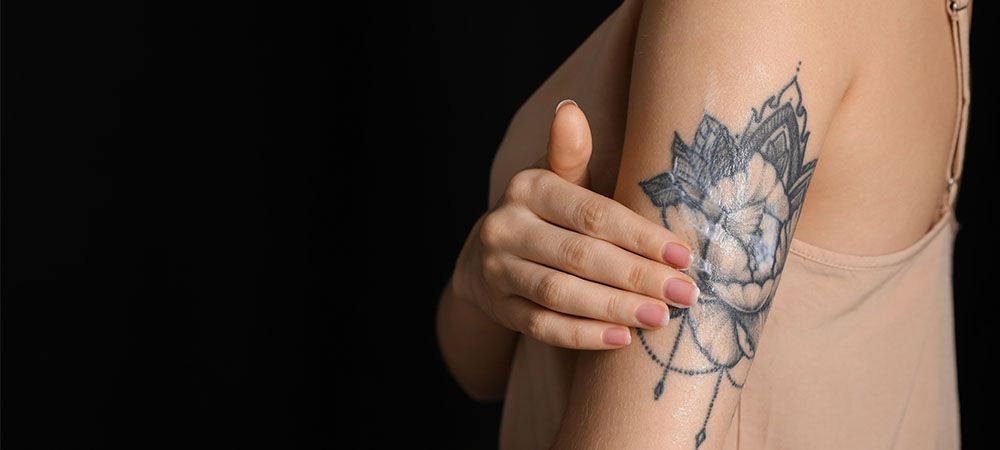
Instead, pat it dry very gently with a clean, single-use paper towel. Also, try to avoid tight clothing that rubs against the ink, as that friction can prolong swelling.
2. The Itchy Week: Why You Can't Scratch the Art
By the time you hit the end of the first week, the redness usually starts to fade away, but a new challenge pops up: the "tattoo itch." You will definitely start to wonder how long does a tattoo take to heal because the skin will feel tight, dry, and, incredibly, itchy. You’ll notice tiny flakes of skin starting to fall off, which looks a lot like a mild sunburn. That is actually a great sign because it means your body is successfully replacing the damaged skin with brand-new, healthy tissue.
Even if the itching feels like it’s driving you crazy, you have to resist the urge to scratch with your fingernails. If you pull a flake off too early, you risk taking the ink with it, resulting in a faded design that will eventually need a touch-up. Just keep the skin lightly moisturized and let the old skin shed on its own.
3. The Peeling Phase: Your Skin’s Natural Transformation
Once you reach the second and third weeks, your tattoo might start to look a bit ugly, cloudy, or even dull. It is very common to ask how long does it take for a tattoo to heal when you see these flakes falling off, especially when they look like they have ink on them.
Don't panic; this is just the excess pigment that was trapped in the very top layer of your skin. Your bright colors and sharp lines are still safe underneath that shedding layer. You should keep up your cleaning routine, but you can usually stop using the heavy antibacterial soap and switch to a gentler, basic cleanser.
The most important rule right now is to stay far away from swimming pools, hot tubs, or long baths. Soaking a healing tattoo in water can soften the new skin too much, leading to a loss of detail or even infection. Just be patient and let the skin fall off naturally without trying to help it along.
4. Deep Healing: What’s Happening Under the Surface
After about a month, the top layer of your skin should feel smooth and look totally normal to everyone else. However, you should still be mindful and ask how long does it take for a tattoo to heal on a deeper level.
While the surface looks closed and the peeling has stopped, the deeper layer, called the dermis, is still very busy. It locks in the pigment and rebuilds the collagen fibers that were disturbed by the needle. This deep recovery is what makes your tattoo permanent.
Since this new skin is still technically young and quite thin, it is very sensitive to its surroundings, especially the sun. If you’re going outside, you really must keep the tattoo covered or use a high-quality sunblock with at least SPF 30 once the skin is fully closed. UV rays are the biggest enemy of tattoo ink; they can damage healing cells and cause the ink to blur or fade before it even settles.
Many people accidentally slow their recovery by trying to do way too much. A very common mistake is "over-moisturizing." If you put on so much lotion that the tattoo looks shiny or greasy, you’ve used too much. This can actually trap bacteria, leading to "tattoo bubbles" or tiny pimples. Another big mistake is wearing tight, sweaty gym clothes over a fresh tattoo.
While the time frame of how long does it take for a tattoo to heal is usually a smooth process, catching a problem early can prevent permanent scarring.
It is important to remember that everyone heals at a different pace. The size of your tattoo and where it’s located on your body make a huge difference. The technique your artist used also plays a big role in how long do tattoos take to heal.
If the artist was a bit heavy-handed, your skin might need some extra time to recover from that trauma. Smaller, fine-line tattoos usually heal up much quicker than large, solid-black pieces or heavy color work. Always listen to the specific advice your artist gave you, since they know exactly how they applied the ink and what your specific skin type needs to look its best.
Understanding how long does it take for a tattoo to heal properly is the secret to having a piece of body art that you can be proud of for the rest of your life. While the annoying parts, like itching and peeling, only last a few weeks, true healing is a slow process, so don't try to rush it.
If you stay consistent with your cleaning and don't skip the moisturizer, you’ll avoid the big problems like infections or fading. Just remember that your skin is a living canvas; it needs care and sun protection even after it feels finished.
Best Self Tanner: Top 10 Tanning Products in the United States (2026 G...
Apr 12, 2026 • 208 views
Thrive Cosmetics Reviews, Are The Brand’s Products Really Worth It?
Apr 09, 2026 • 154 views
How to Make Henna Last Longer: Simple Tips for a Dark and Long-Lasting...
Apr 30, 2026 • 145 views
Best Self Tanning Products for a Natural, Healthy Glowing Skin
Apr 08, 2026 • 140 views

7 Places That Hurt the Most to Get a Tattoo: Know Before Getting Inked
Apr 30, 2026 • 117 views
How to Get Nail Glue Off Skin Safely and Easily?
May 05, 2026 • 116 views